How to Compress PNG Files in 2026: Lossless, Lossy, and PNG 3.0
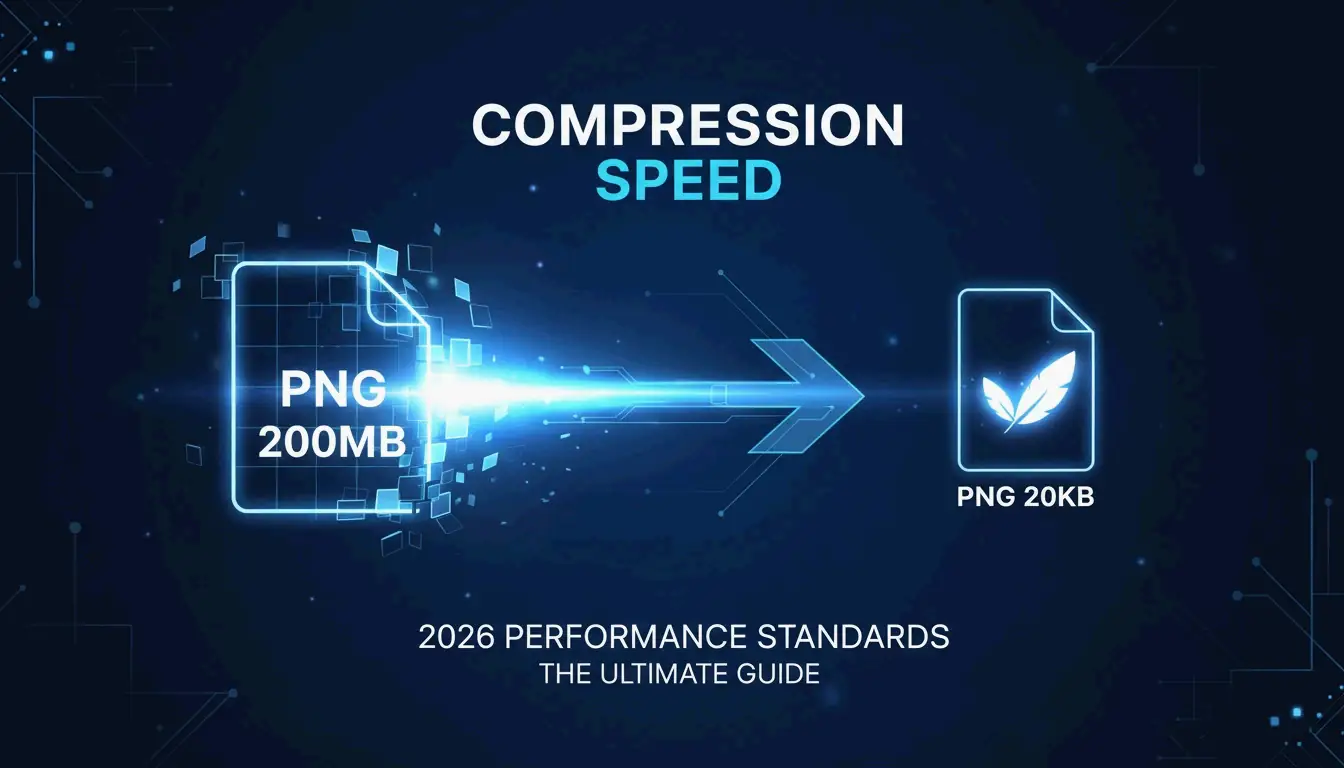
To compress PNG files effectively in 2026, use oxipng for lossless optimization (zero quality loss) or pngquant for lossy quantization (60–80% reduction with barely visible impact). Browser tools like ToolTea handle quick jobs locally via WebAssembly, while CLI tools automate bulk processing in dev pipelines.
Lossless vs. Lossy: Which Method for Which File?
| Method | Tool | How It Works | Best For | Typical Savings |
|---|---|---|---|---|
| Lossless | oxipng | Re-encodes DEFLATE, strips metadata | Logos, text screenshots, icons | 15–40% |
| Lossy quantization | pngquant | Reduces color palette (32-bit → 8-bit) | Illustrations, photos, UI elements | 60–80% |
Lossless is like reorganizing a suitcase without throwing anything away — every pixel stays identical. Lossy quantization actually removes data by limiting unique colors, but the human eye rarely notices.
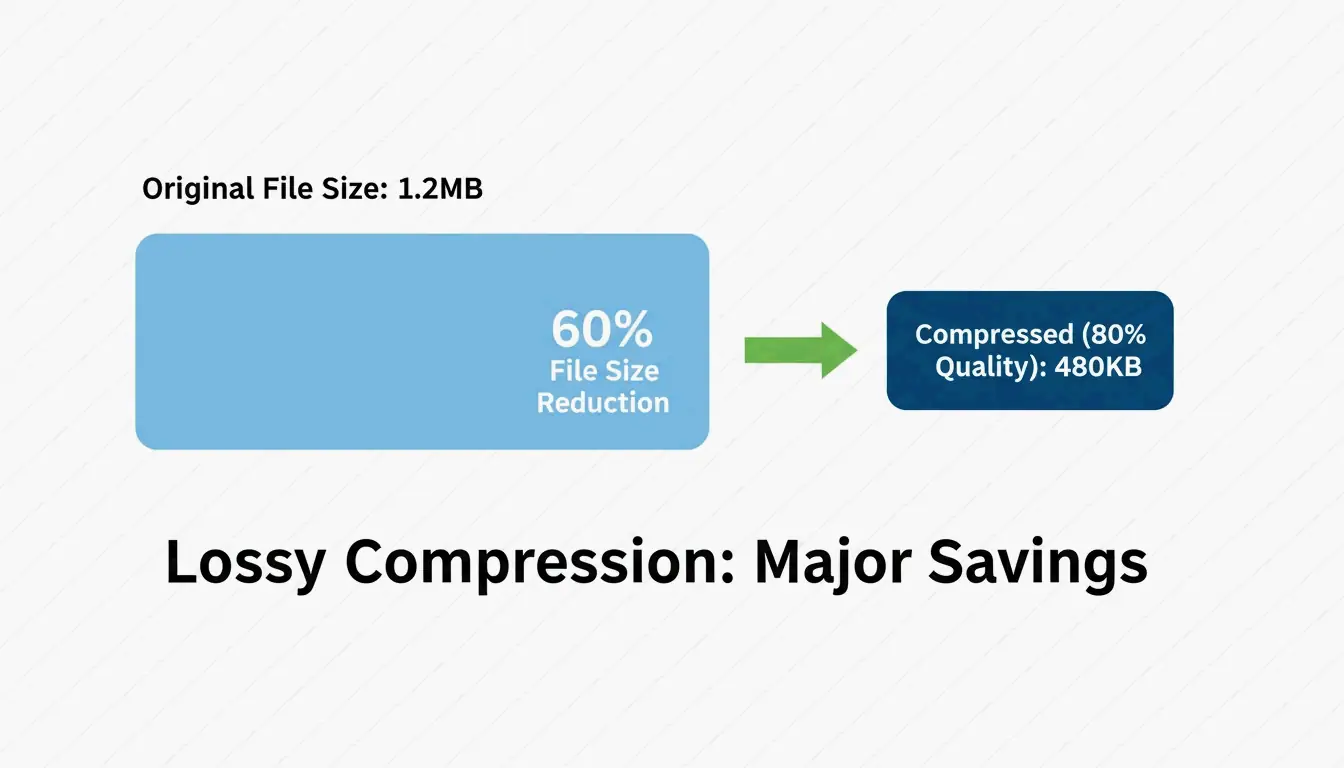
Pixotter shared a case study: a UI screenshot dropped from 1.2MB to 480KB at 80% quality — virtually indistinguishable from the original.
Both methods preserve the alpha channel. Unlike JPEG, PNG keeps transparency intact even after aggressive compression.
Browser Compression: Quick and Private
For daily tasks, browser tools are fastest — and keep your data private.
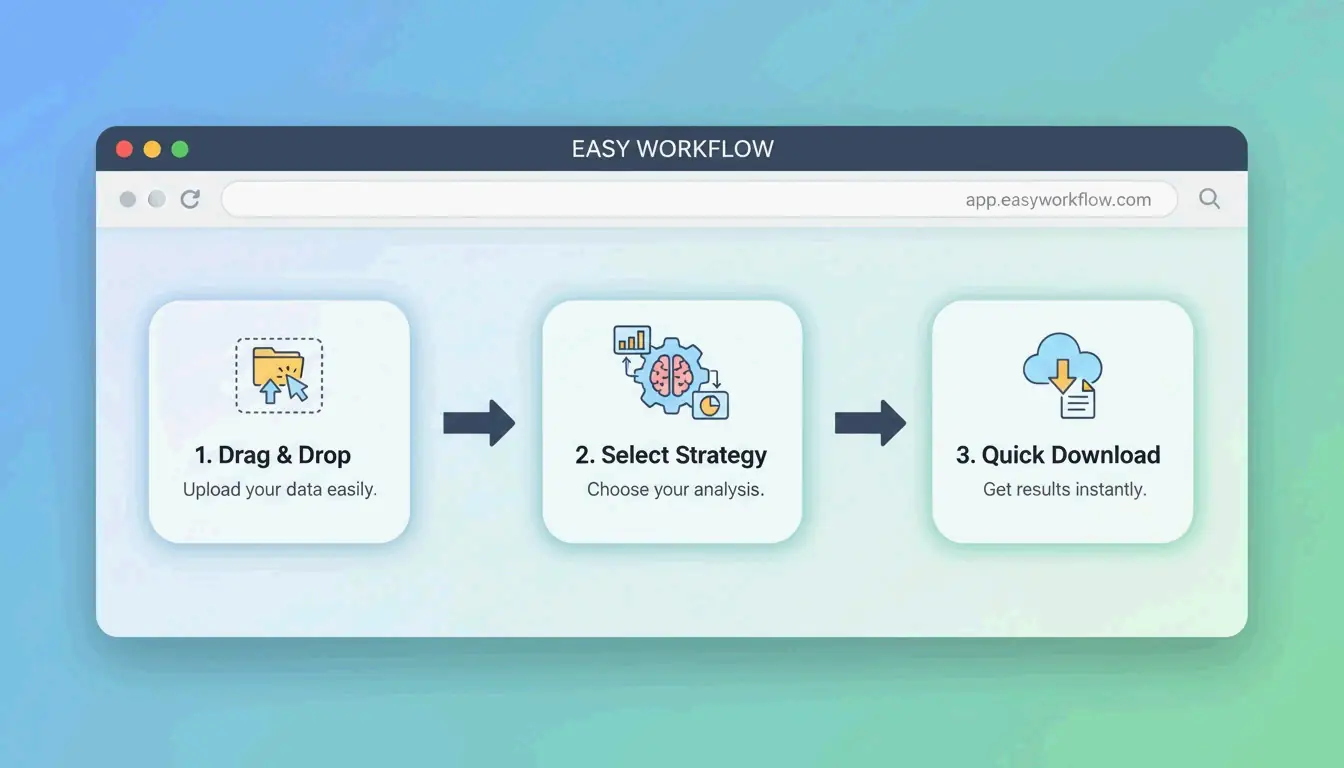
ToolTea processes images locally using WebAssembly, meaning files never leave your computer:
- Upload — Drag PNGs or a ZIP file into the browser
- Choose strategy — “Lossless” for pixel-perfect results, or a specific color count (e.g., 256) for maximum shrinkage
- Resize — Drop to web-standard widths (e.g., 1920px) for additional savings
- Download — Hit “Compress All” and save
CLI Tools: Developer-Grade Optimization
oxipng (v9.1.1) — Lossless Gold Standard
Built in Rust, oxipng is significantly faster than older tools. Pixotter recommends it as the current best-in-class for lossless PNG optimization.
oxipng --opt 4 --strip all input.png

# Batch process
oxipng --opt 4 --strip all *.png
pngquant (v3.0) — Lossy Quantization
Converts 32-bit PNGs to 8-bit palettes, achieving 60–80% size reduction. ToolTea benchmarks confirm this is nearly invisible for logos and UI elements.
# Compress to 256 colors (80% quality)
pngquant --quality=65-80 --output output.png input.png

# Batch with fallback
pngquant --force --quality=65-80 --ext .png *.png
PNG 3.0: The 2025 Update
The PNG 3.0 release (June 24, 2025) brought major improvements:
| Feature | Impact |
|---|---|
| HDR support | Higher dynamic range for modern displays |
| Native APNG | Animated PNGs now a W3C Recommendation |
| Improved Exif chunks | Cleaner metadata handling |
PNG vs. WebP vs. AVIF: When to Switch
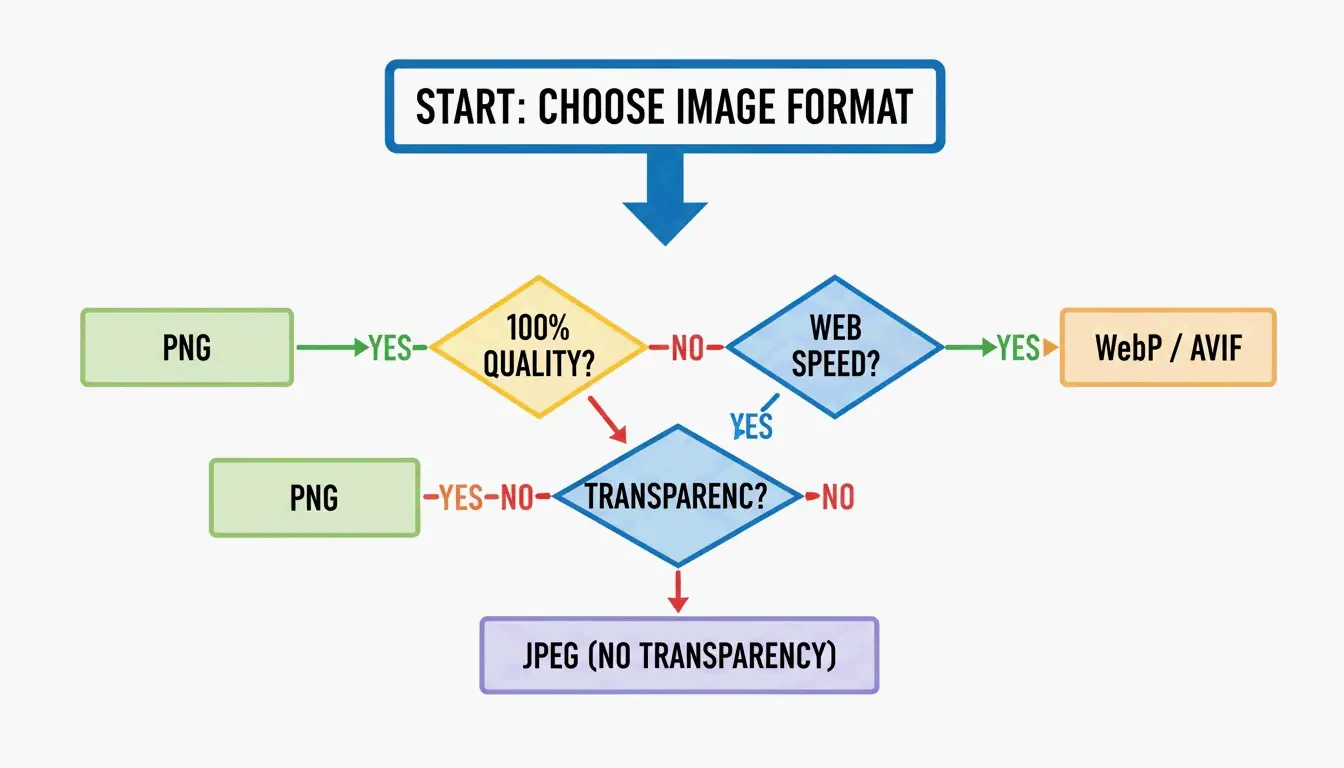
Even with PNG 3.0, PNG is not always the right choice for the web:
| Format | Compression | Transparency | Browser Support | Use Case |
|---|---|---|---|---|
| PNG | Lossless or lossy | Yes (alpha) | Universal | Logos, icons, pixel-perfect assets |
| WebP | 25–34% smaller than JPEG | Yes | 97%+ | General web images, photos |
| AVIF | 50% smaller than JPEG | Yes | 92%+ | Maximum compression, modern browsers |
SammaPix notes: if your only goal is fast page loads, convert PNG to WebP or AVIF. Keep PNG only when you need pixel-perfect rendering or email compatibility.
How DEFLATE and Filtering Work Together
PNG compression is a two-stage process:
- Filtering — Before compression, the encoder applies one of five filter types (Sub, Up, Average, Paeth, None) to predict pixel values from neighboring pixels. This makes the data more predictable.
- DEFLATE — The LZ77 + Huffman coding engine finds repeating patterns in the filtered data and compresses them.
The better the filtering, the more effective DEFLATE becomes. Tools like oxipng test all five filter strategies per row and pick the optimal one — this is why they outperform basic encoders.
For user experience, the Adam7 interlacing algorithm renders a blurry preview almost instantly while the full image loads — valuable for slow mobile connections.
Conclusion
PNG compression in 2026 means choosing the right tool for the job: oxipng for lossless precision (logos, icons), pngquant for aggressive savings (60–80% on illustrations and UI). For web performance, consider converting to WebP or AVIF unless pixel-perfect transparency is required.
Action plan: Run your heaviest PNGs through pngquant. If the 60–80% savings look good, adopt it. For dev pipelines, add oxipng or Sharp to your build process to strip metadata and optimize automatically.
FAQ
Can I compress a PNG without losing any quality?
Yes. Use lossless tools like oxipng or ToolTea’s lossless mode. These re-encode the DEFLATE data and strip metadata without changing a single pixel. Expect 15–40% savings.
How much can I compress a PNG with lossy methods?
60–80% is typical with pngquant, which reduces the color palette from millions to 256 or fewer colors. For logos and UI elements, the visual difference is nearly invisible. For photographs, consider switching to WebP instead.
Should I convert PNG to WebP for my website?
For general web use, yes. WebP files are 25–34% smaller than equivalent JPEGs and support transparency like PNG. Keep PNG only for assets that require pixel-perfect rendering (logos with sharp edges, email templates) or when targeting clients with outdated software.
SectoJoy
Let Compress publishes practical guides for compression, conversion, and browser-based file workflows.
Follow SectoJoy